
BIOFEEDBACK
DESCRIPTION
Biofeedback is a therapeutic technique where individuals learn to control certain physiological functions that are typically involuntary, such as heart rate, muscle tension, or skin temperature. Using sensors and devices, biofeedback provides real-time feedback about these bodily processes, helping people become more aware of their physiological responses and enabling them to influence them through relaxation techniques, breathing exercises, and other strategies.
How Biofeedback Works:
1. Monitoring : Sensors are placed on the body to measure physiological signals (e.g., heart rate, muscle tension, brainwaves, or skin conductance).
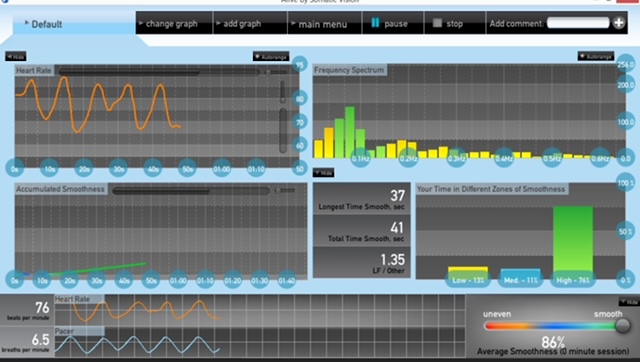
2. Feedback : The data from the sensors is displayed in real time on a monitor in the form of graphs, sounds, or visual cues.
3. Training : With the help of a therapist or a trained professional, individuals learn to control these processes by recognizing the patterns and practicing techniques to manage stress, tension, or other conditions.
Who Should Do Biofeedback:
Biofeedback is suitable for a wide range of people, particularly those looking to manage:
- Stress and Anxiety: It helps people become aware of their physical stress responses and practice relaxation techniques.
- Chronic Pain: People with conditions like tension headaches, migraines, or fibromyalgia can benefit by learning to relax muscles and reduce pain perception.
- Hypertension: Biofeedback can assist individuals in lowering blood pressure through stress management and relaxation techniques.
- Muscle Tension and Injury Recovery: It's useful for people recovering from muscle injuries or those with chronic muscle tension.
- Sleep Disorders: It can help people with insomnia or other sleep-related problems by teaching relaxation techniques.
- Attention Deficit Disorders (ADD/ADHD): Neurofeedback, a form of biofeedback focused on brain activity, is often used to help manage symptoms of ADD/ADHD.
- Mental Health Conditions: It may also benefit people with depression, PTSD, or panic disorders by enhancing their control over their emotional and physical responses.
- Urinary Incontinence or IBS: It can be helpful for managing bladder control and gastrointestinal disorders.
Who Should Provide Biofeedback:
Biofeedback should be conducted by trained professionals such as:
- Clinical Psychologists: Clinical Psychologists or other mental health practitioners who specialize in biofeedback.
- Physical Therapists : Physical Therapists for patients dealing with muscle tension and injury recovery.
- Medical Doctors or Nurses : Medical Doctors or Nurses with expertise in biofeedback techniques.
- Neurofeedback & Biofeedback Specialists : Neurofeedback & Biofeedback Specialists for brain-related therapies, particularly for ADHD, anxiety, or depression.
The success of biofeedback therapy depends on the skill of the therapist and the patient's commitment to practice and apply the techniques learned during the sessions.